Get Quote
Get Quick QuoteService Areas
Miami, Coral Gables, Kendall, Doral, Hialeah, Aventura, Homestead
Availability
Mon-Sat: 8am-6pm
Sun: 9am-3pm
# Do Pit Latrines Need a Lid?
Pit latrines should have lids or covers to prevent flies, control odors, and provide safety, with best-practice designs including properly fitted lids that seal the pit opening. Lids are essential components of safe and effective pit latrine design, providing multiple health and safety benefits.
What it is and why it matters
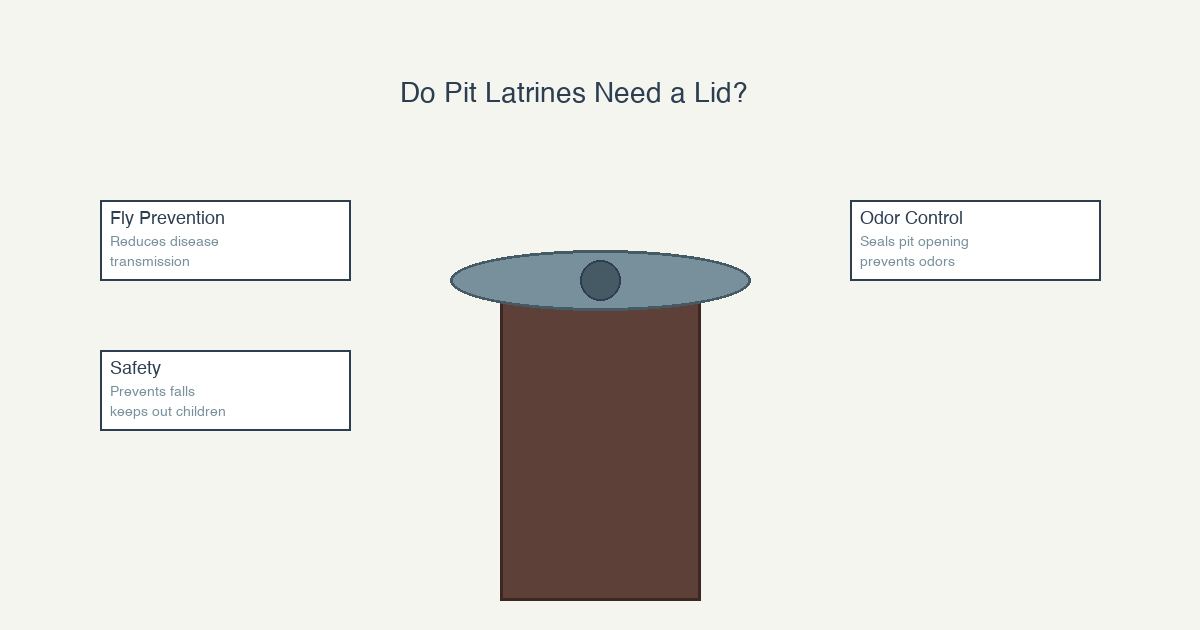
Pit latrine lids or covers are physical barriers that seal the pit opening when not in use. These lids prevent flies from entering and exiting the pit, control odors, and provide safety by preventing accidental falls and keeping children and animals out. Best-practice pit latrine designs include properly fitted lids that create a seal.
The World Health Organization (WHO) Sanitation and Hygiene Guidelines recommend that pit latrines should have lids or covers as part of safe sanitation design. The Centers for Disease Control and Prevention (CDC) explains that lids prevent flies, reduce disease transmission, control odors, and provide safety benefits.
Understanding pit latrine lid requirements is important for proper sanitation design and maintenance. While pit latrines are less common in Miami-Dade County than modern septic systems, understanding best practices helps ensure safe sanitation wherever these systems are used.
Need help today?
Same-day service across Miami-Dade County. Licensed & insured.
Call Miami Septic ProsTechnical breakdown
Fly prevention: Lids prevent flies from entering and exiting pit latrines, reducing disease transmission. Flies can carry pathogens from waste to food and surfaces, spreading diseases like diarrhea, cholera, and typhoid. The WHO explains that properly fitted lids that seal the pit opening are essential for fly prevention.
Odor control: Lids help control odors by sealing the pit opening and preventing gases from escaping. This improves user comfort and reduces nuisance odors that can affect nearby areas. The CDC notes that lids are an important component of odor control in pit latrine design.
Safety benefits: Lids provide safety by preventing accidental falls into pits, keeping children and animals out, and reducing the risk of injury. Properly designed lids should be sturdy enough to support weight and should fit securely to prevent accidental opening. The EPA addresses safety considerations in pit latrine design.
Best-practice design: Best-practice pit latrine lids should be properly fitted to seal the pit opening, made of durable materials that resist weather and wear, easy to open and close for users, and designed to stay in place when closed. The University of Florida IFAS Extension provides guidance on pit latrine lid design and materials.
Material considerations: Lid materials should be durable, weather-resistant, and appropriate for local conditions. Common materials include concrete, plastic, metal, or wood, depending on availability, cost, and local conditions. The WHO provides guidance on appropriate lid materials for different environments.
Maintenance requirements: Lids require regular maintenance to ensure they continue functioning properly. This includes checking for damage, ensuring proper fit, and cleaning as needed. The CDC explains that regular maintenance is essential for lids to provide their intended health and safety benefits.
South Florida notes (local relevance)
While pit latrines are uncommon in Miami-Dade County due to modern septic system infrastructure, understanding lid requirements is important for any temporary or emergency sanitation facilities. The county's warm climate and high humidity make fly prevention and odor control especially important.
Miami-Dade County's septic system regulations ensure that properties have proper wastewater treatment, but understanding pit latrine best practices helps ensure safe sanitation in any context. Professional septic system services ensure proper maintenance of modern systems that provide better sanitation than pit latrines.
The county's public health focus means that any sanitation facilities, including temporary ones, should follow best practices including proper lids or covers. The Florida Department of Health provides guidance on sanitation standards that emphasize the importance of proper covers and lids.
Get a clear, no-pressure quote
Describe your job. We'll confirm price and schedule.
Get My Free Quote