Get Quote
Get Quick QuoteService Areas
Miami, Coral Gables, Kendall, Doral, Hialeah, Aventura, Homestead
Availability
Mon-Sat: 8am-6pm
Sun: 9am-3pm
# Effluent Disposal Options
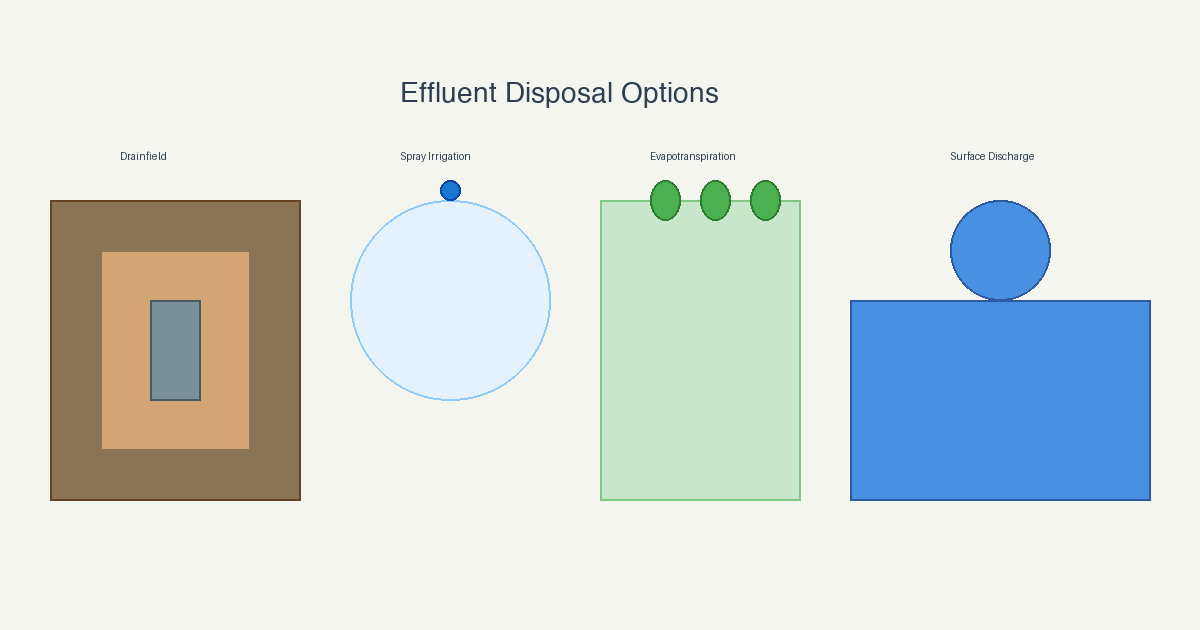
Decentralized wastewater systems offer various effluent disposal options including drainfields, spray irrigation, evapotranspiration systems, and surface discharge, depending on site conditions and regulatory requirements. These methods provide different approaches to safely disposing of treated wastewater effluent while protecting public health and the environment.
What it is and why it matters
Effluent disposal is the final step in decentralized wastewater treatment, where treated wastewater is safely returned to the environment. Different disposal methods are appropriate for different site conditions, soil types, water table depths, and regulatory requirements. Selecting the right disposal method is essential for system effectiveness and environmental protection.
The EPA Onsite Wastewater Treatment Systems Manual documents various effluent disposal options and explains how site conditions determine appropriate methods. The Florida Department of Health provides guidance on effluent disposal options for decentralized systems, including requirements for different methods based on site characteristics.
For Miami-Dade County properties with decentralized wastewater systems, understanding effluent disposal options helps ensure proper system design and compliance with Miami-Dade County DERM requirements. Professional septic system design services evaluate site conditions to determine appropriate effluent disposal methods.
Need help today?
Same-day service across Miami-Dade County. Licensed & insured.
Call Miami Septic ProsTechnical breakdown
Drainfield disposal: Drainfields (also called leach fields or absorption fields) are the most common effluent disposal method for decentralized systems. Effluent flows from the septic tank or treatment unit into perforated pipes buried in trenches or beds filled with gravel. The effluent percolates through the soil, where it receives additional treatment through filtration and biological processes. The EPA explains that drainfields require suitable soil conditions, adequate depth to water table, and proper sizing based on percolation rates.
Spray irrigation: Spray irrigation systems distribute treated effluent over land surfaces using sprinklers or spray heads. This method is suitable for areas with adequate land area, appropriate soil conditions, and sufficient separation from water sources. The University of Florida IFAS Extension explains that spray irrigation requires proper system design, regular maintenance, and compliance with regulatory requirements for application rates and setbacks.
Evapotranspiration systems: Evapotranspiration (ET) systems use shallow, lined beds filled with sand or other media. Effluent is applied to the bed surface, where it evaporates or is taken up by plants. ET systems are suitable for areas with low rainfall, high evaporation rates, and restrictive soil conditions. The EPA notes that ET systems require careful design and are typically used in arid or semi-arid climates.
Surface discharge: Surface discharge involves releasing treated effluent directly to surface waters, such as streams or ponds. This method requires advanced treatment to meet water quality standards and is subject to strict regulatory requirements. The Florida DOH regulates surface discharge and requires permits and monitoring to ensure water quality protection.
Site condition factors: Site conditions that determine appropriate disposal methods include soil type and percolation rate, depth to seasonal high water table, available land area, slope and topography, proximity to water sources, and local climate conditions. The Miami-Dade County DERM evaluates these factors when approving effluent disposal methods for decentralized systems.
Regulatory requirements: Different disposal methods have different regulatory requirements for design, installation, operation, and monitoring. The EPA and state/local health departments establish requirements to ensure effluent disposal protects public health and the environment.
South Florida notes (local relevance)
Miami-Dade County's high water table, sandy soils, and coastal location create unique challenges for effluent disposal. The Miami-Dade County DERM requires careful evaluation of site conditions to determine appropriate disposal methods, with drainfields being the most common method for conventional systems.
The county's high water table often requires drainfield installation modifications or alternative disposal methods. In some cases, advanced treatment unit installation may be required to produce effluent suitable for disposal in challenging site conditions.
Miami-Dade DERM enforces strict requirements for effluent disposal to protect the Biscayne Aquifer, the region's primary drinking water source. Professional septic system design services ensure effluent disposal methods comply with DERM requirements and protect groundwater quality.
Get a clear, no-pressure quote
Describe your job. We'll confirm price and schedule.
Get My Free QuoteFrequently Asked Questions
Related service:
Drain Field Installation →