Get Quote
Get Quick QuoteService Areas
Miami, Coral Gables, Kendall, Doral, Hialeah, Aventura, Homestead
Availability
Mon-Sat: 8am-6pm
Sun: 9am-3pm
# Effluent Quantity Variability
Effluent quantity in decentralized wastewater systems varies significantly based on water use patterns, occupancy levels, and daily activities, requiring system design to accommodate peak flows and flow variability. Understanding this variability is essential for proper system sizing and design to ensure effective treatment and disposal.
What it is and why it matters
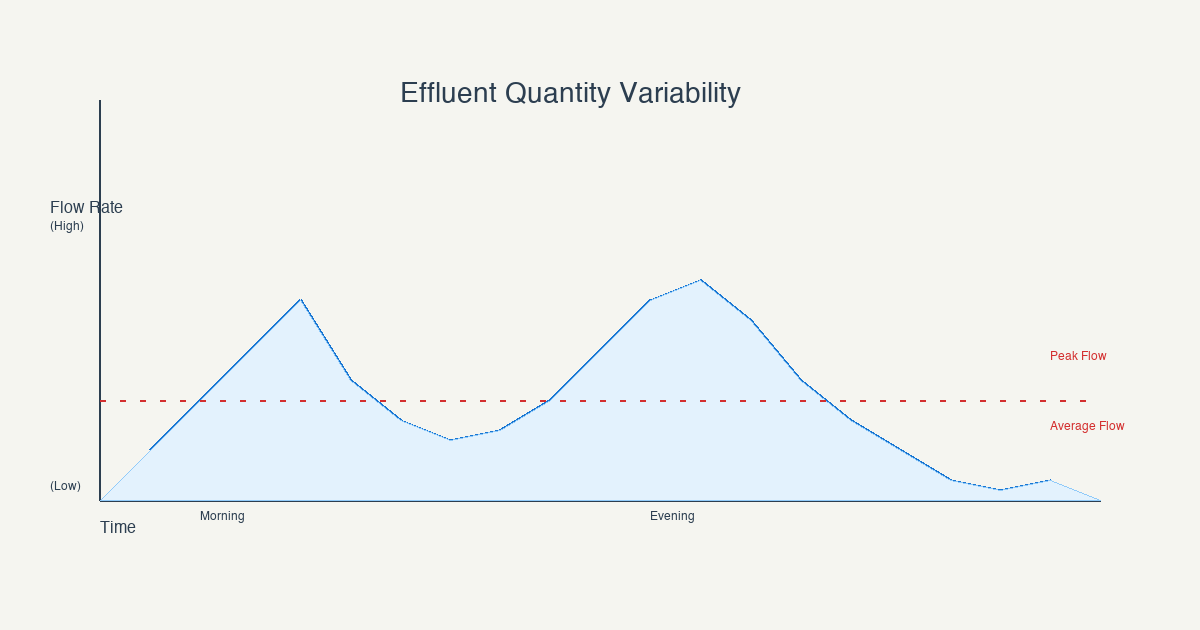
Effluent quantity (the volume of wastewater flowing from a property) is not constant but varies throughout the day, week, and year based on water use patterns. Peak flows occur during periods of high water use, such as mornings and evenings when people shower, cook, and do laundry. System design must accommodate these peak flows while also handling lower flows during other times.
The EPA Onsite Wastewater Treatment Systems Manual explains that effluent quantity variability is a key factor in decentralized system design. The Florida Department of Health requires system sizing to account for peak flows and flow variability based on occupancy and water use patterns.
For Miami-Dade County properties, understanding effluent quantity variability helps ensure proper septic system design that can handle peak flows without overloading. The Miami-Dade County DERM evaluates flow patterns when approving system designs to ensure adequate capacity for variable effluent quantities.
Need help today?
Same-day service across Miami-Dade County. Licensed & insured.
Call Miami Septic ProsTechnical breakdown
Daily flow patterns: Effluent quantity typically follows daily patterns with peak flows in the morning (6-9 AM) and evening (6-9 PM) when water use is highest. Midday and nighttime flows are typically lower. The EPA documents that peak flows can be 2-4 times higher than average daily flows, requiring system design to accommodate these variations.
Occupancy effects: The number of people using a property directly affects effluent quantity. More occupants mean higher water use and greater effluent volumes. The University of Florida IFAS Extension explains that system sizing is typically based on number of bedrooms or occupants, accounting for expected water use and effluent generation.
Water use activities: Different activities generate different effluent volumes. Showers, laundry, and dishwashing create significant flows, while toilet flushing and handwashing create smaller flows. The EPA notes that water-efficient fixtures and appliances can reduce effluent quantity, affecting system sizing requirements.
Seasonal variations: Effluent quantity can vary seasonally, with higher flows during summer months when outdoor water use increases (irrigation, pools, etc.) and lower flows during winter. The Florida DOH considers seasonal variations when evaluating system designs.
Peak flow design: System components must be sized to handle peak flows without overloading. Septic tanks provide storage and equalization, reducing flow variability to the drainfield. The Miami-Dade County DERM requires tank sizing based on peak flow capacity to ensure proper treatment and prevent system overload.
Flow equalization: Septic tanks and other pretreatment components help equalize flow by storing wastewater during peak periods and releasing it more evenly to treatment and disposal components. The EPA explains that this equalization is essential for effective treatment and disposal system operation.
South Florida notes (local relevance)
Miami-Dade County's year-round warm climate and tourism industry create unique effluent quantity patterns. Properties may experience higher flows during tourist seasons, and year-round outdoor water use (irrigation, pools) can increase effluent volumes compared to other regions.
The Miami-Dade County DERM requires system design to account for local water use patterns and occupancy levels. Professional septic system design services evaluate expected occupancy, water use patterns, and seasonal variations to ensure systems are properly sized for effluent quantity variability.
Miami-Dade's high water table and sandy soils mean that drainfield installation must accommodate variable effluent flows while protecting groundwater. Proper system design accounts for peak flows and flow variability to ensure effective treatment and disposal without overloading the system.
Get a clear, no-pressure quote
Describe your job. We'll confirm price and schedule.
Get My Free Quote