Get Quote
Get Quick QuoteService Areas
Miami, Coral Gables, Kendall, Doral, Hialeah, Aventura, Homestead
Availability
Mon-Sat: 8am-6pm
Sun: 9am-3pm
# When Separate Sewer Systems are "Technically Inviable"
When separate sewer systems are technically inviable, combined sewer systems or alternative sanitation solutions may be necessary, with decisions based on technical, economic, and environmental considerations. Understanding when separate systems are not feasible helps ensure appropriate sanitation solutions are selected for different contexts.
What it is and why it matters
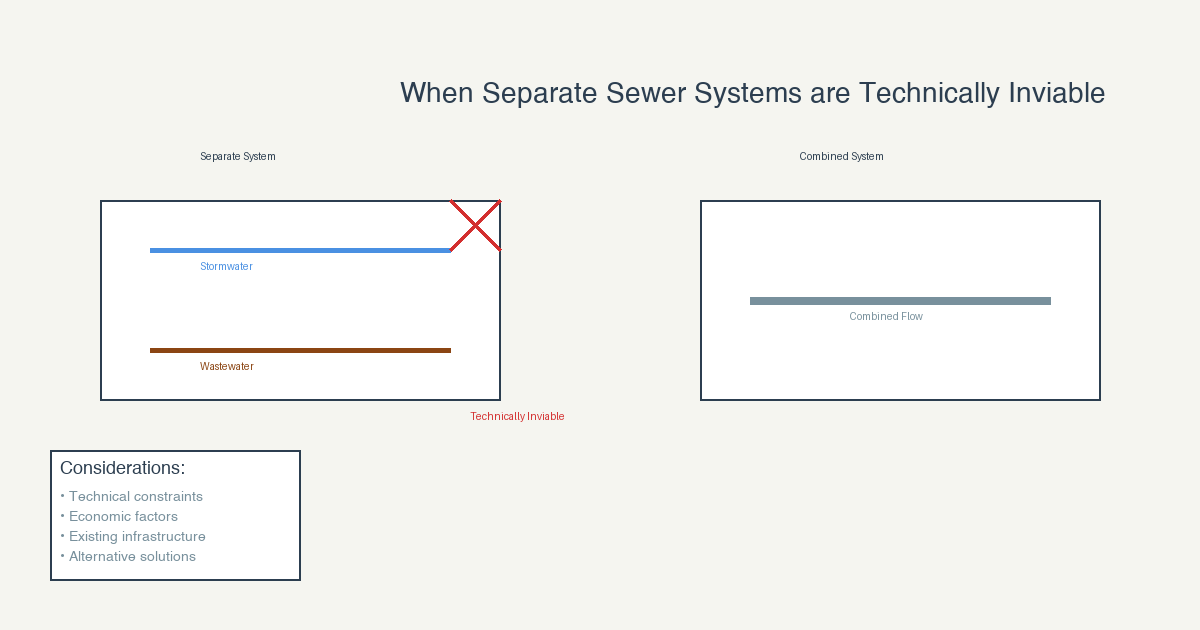
Separate sewer systems separate stormwater from wastewater, treating each stream differently. However, in some situations, separate systems are technically inviable due to constraints such as existing infrastructure, topography, population density, cost, or technical limitations. In these cases, combined sewer systems or alternative solutions may be necessary.
The Environmental Protection Agency (EPA) Wastewater Management explains that system selection depends on technical feasibility, economic considerations, and environmental factors. The World Health Organization (WHO) Sanitation and Hygiene Guidelines discuss when different sewer system types are appropriate.
Understanding when separate systems are technically inviable is important for selecting appropriate sanitation solutions. While Miami-Dade County uses modern septic systems and centralized sewer systems, understanding system selection criteria helps ensure appropriate solutions for different contexts.
Need help today?
Same-day service across Miami-Dade County. Licensed & insured.
Call Miami Septic ProsTechnical breakdown
Technical constraints: Separate sewer systems may be technically inviable due to existing infrastructure that cannot be easily separated, topographic constraints that make separation difficult, or technical limitations that prevent effective separation. The EPA explains that technical feasibility must be assessed for each situation.
Economic considerations: Separate systems may be economically inviable when the cost of separation exceeds available resources, when existing infrastructure would require extensive modification, or when alternative solutions are more cost-effective. The WHO explains that economic factors are important in system selection.
Population density and urban context: In dense urban areas with existing combined infrastructure, separating systems may be technically and economically challenging. The Centers for Disease Control and Prevention (CDC) explains that urban context affects system feasibility.
Alternative solutions: When separate systems are technically inviable, alternatives include combined sewer systems (treating stormwater and wastewater together), decentralized systems (onsite treatment), or hybrid approaches. The University of Florida IFAS Extension explains that alternative solutions should be evaluated based on local conditions.
Environmental considerations: System selection should consider environmental impacts including water quality, treatment capacity, and environmental protection. The EPA explains that environmental factors are important in determining system feasibility and selection.
Decision-making framework: Decisions about system selection should consider technical feasibility, economic viability, environmental impacts, and social factors. The WHO provides guidance on decision-making frameworks for sanitation system selection.
South Florida notes (local relevance)
Miami-Dade County uses a combination of centralized sewer systems and septic systems depending on location and infrastructure availability. The county's septic system regulations ensure proper wastewater treatment, while understanding when separate systems are technically inviable helps inform system selection decisions.
The county's septic system services ensure proper maintenance of decentralized systems that provide effective wastewater treatment where centralized systems are not available. Professional septic system installation follows regulations that ensure appropriate system selection based on technical, economic, and environmental considerations.
The Florida Department of Health provides guidance on system selection that considers technical feasibility, economic factors, and environmental protection, ensuring appropriate solutions for different contexts.
Get a clear, no-pressure quote
Describe your job. We'll confirm price and schedule.
Get My Free Quote