
Last updated: October 28, 2026. We reviewed this page against current 2026 sources. Every price and rule we kept or added links to its source, listed at the end; anything we could not verify was removed.
We run a camera through septic and sewer lines to find cracks, roots and blockages before anything is dug up. A camera inspection of septic lines typically costs $250 to $500 in Florida (Septic & Well Pro, 2026), or $200 to $400 for a sewer camera during a backup call (Septic & Well Pro, 2026).
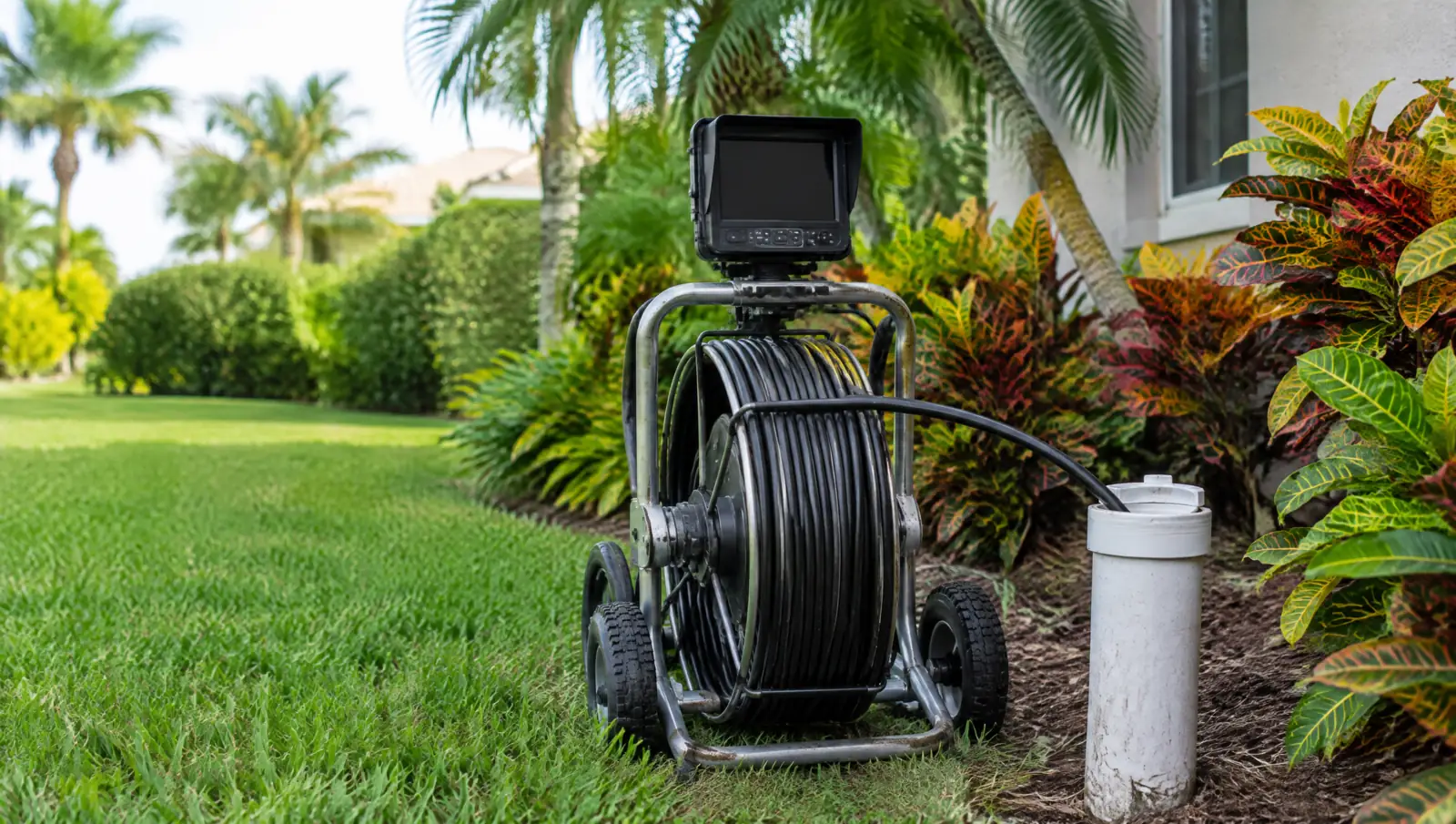
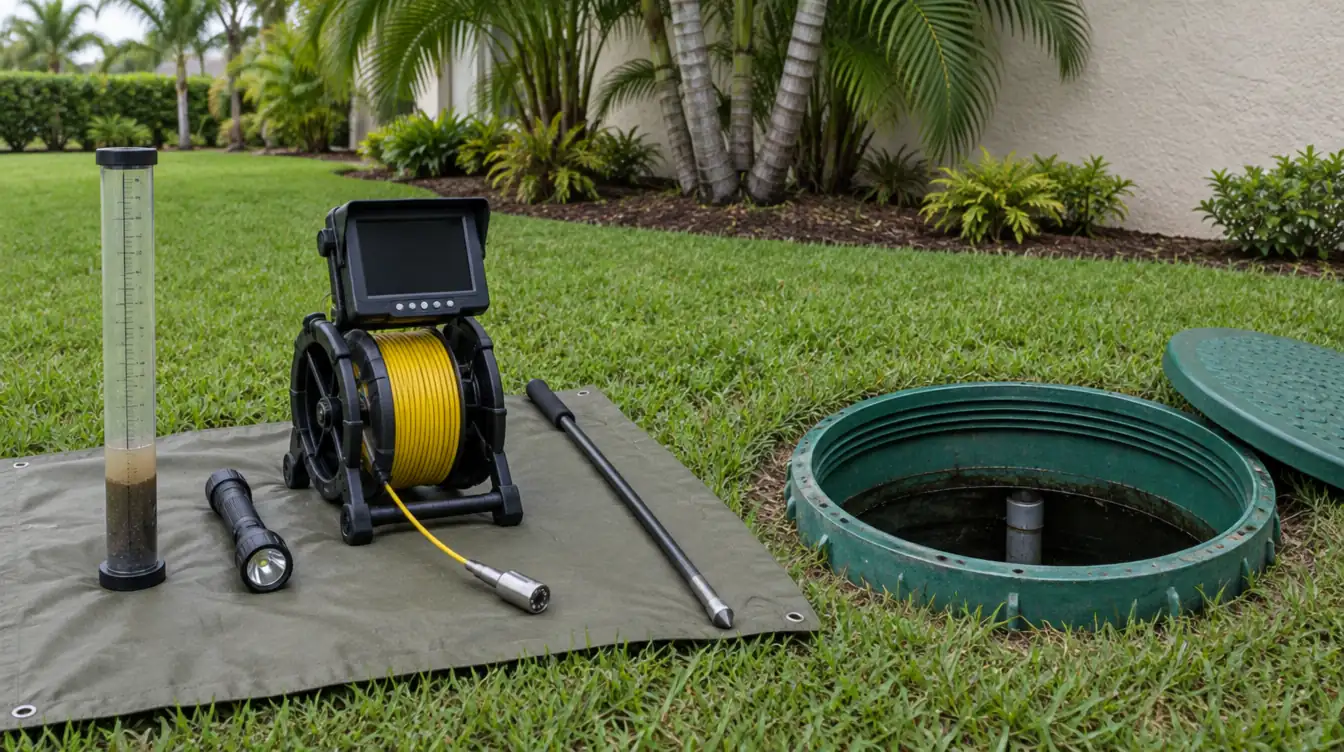
Camera inspections use specialized waterproof cameras inserted into septic tanks and drain lines to visually inspect interior conditions without excavation. These inspections reveal cracks, root intrusion, blockages, structural damage, and other problems not visible during surface inspections.
Camera inspections are especially valuable for diagnosing persistent problems, evaluating repair needs, and planning system maintenance or replacement.
Rules and figures we checked (October 2026)
These are the rules and figures we checked for this service on October 28, 2026:
- The EPA says a household septic system should be inspected at least every three years and the tank is typically pumped every three to five years; systems with float switches, pumps or other mechanical parts should be inspected more often, generally once a year (US EPA).
How much does Septic Tank Camera Inspection cost in Miami?
Typical published prices in 2026 (not a quote):
- A septic inspection in Florida typically costs $200 to $600 in 2026: about $275 for a standard visual and pump inspection, $300 to $550 for a full evaluation, and $350 to $600 for an aerobic or performance-based system (Septic & Well Pro, 2026).
- Clearing a blocked line typically costs $150 to $500 by snaking or $300 to $800 by hydro-jetting, and root cutting or pipe replacement $500 to $3,000 (Septic & Well Pro, 2026); Florida emergency line clearing or jetting runs $200 to $600 (Septic & Well Pro, 2026).
Camera inspection costs vary based on system complexity, inspection scope, and equipment needed.
Factors affecting costs:Access difficulty: Easy access through cleanouts costs standard rates. Camera inspections don't require excavation, but access point availability affects costs.
What's typically included:- Camera inspection of sewer lines and tank access points
- Real-time video footage of interior conditions
- Identification of problems like cracks, roots, or blockages
- Basic report with findings and recommendations
- Video recording for documentation (if requested)
Camera inspections often save money by identifying exact problems before expensive excavation or repair work. The cost of inspection is usually much less than unnecessary digging or repairs based on guesswork.
What camera inspections reveal
Camera inspections provide visual evidence of interior conditions that surface inspections cannot reveal:
Structural problems:- Cracks or breaks in pipes that aren't visible from outside
- Collapsed pipe sections causing blockages
- Pipe deterioration and corrosion
- Loose or disconnected pipe joints
- Structural damage from settling or root pressure
- Root intrusion into pipes from nearby trees
- Solid waste buildup causing restrictions
- Foreign objects accidentally flushed into system
- Grease or sludge accumulation blocking flow
- Bellies or low spots in pipes trapping waste
- Pipe age and remaining useful life
- Overall system condition and maintenance needs
- Areas of concern requiring attention
- System components needing replacement
- Condition of distribution pipes in drain field
- Blockages preventing proper effluent distribution
- Root intrusion affecting drain field function
- Pipe deterioration in drain field area
Camera footage provides visual proof of problems, making it easier to justify repairs and get accurate estimates. Video documentation is valuable for property transactions, insurance claims, or warranty work. Having visual evidence prevents disputes about whether problems exist or repairs are needed.
Camera inspections eliminate guesswork by showing exact conditions inside pipes and tanks. This accuracy saves money by ensuring repairs address actual problems, not assumed issues.
When camera inspections are needed
Persistent problems:- Recurring clogs or backups that visual inspection doesn't explain
- Slow drains that persist after pumping or cleaning
- Unexplained system problems needing diagnosis
- Problems that come and go, suggesting intermittent blockages
- Planning drain field repairs or replacement
- Evaluating whether repairs are needed or replacement is necessary
- Determining exact repair scope and costs
- Identifying all problems that need addressing
- Real estate inspections requiring detailed condition assessment
- Documenting system condition for buyers or sellers
- Identifying problems affecting property value
- Providing visual proof for transaction negotiations
- Before landscaping or construction that could affect system
- After storms or flooding that might cause damage
- Evaluating system condition for maintenance planning
- Diagnosing drain field failures when cause isn't obvious
- Checking distribution pipes for blockages or damage
- Evaluating whether drain field can be repaired or needs replacement
- Planning drain field restoration or repair work
If visual inspection doesn't reveal causes of problems, camera inspection provides essential diagnostic information needed for proper repairs.
Tank vs drain field camera inspections
Camera inspections serve different purposes depending on what part of the system is examined:
Tank camera inspections:Cameras inspect interior of septic tanks through access points or by insertion through inlet/outlet pipes. Tank inspections reveal sludge levels, scum thickness, baffle condition, and structural problems inside tanks. They help assess tank condition and determine if pumping or cleaning is sufficient, or if tank replacement is needed.
Drain line camera inspections:Cameras travel through sewer lines from house to tank, and from tank to drain field. These inspections identify blockages, root intrusion, cracks, or damage in pipes. They reveal problems causing backups or flow restrictions that affect system function.
Drain field camera inspections:Cameras inspect distribution pipes in drain fields to identify blockages, root intrusion, or structural problems causing drain field failure. Drain field inspections are especially valuable when drain fields show signs of problems but visual inspection doesn't reveal causes. These inspections help determine if drain fields can be repaired or need complete replacement.
Combined inspections:Comprehensive camera inspections examine multiple system components to provide complete condition assessment. Combined inspections cost more but provide comprehensive information needed for major repairs or replacement decisions.
Your contractor will recommend appropriate inspection scope based on problems you're experiencing. Basic inspections start with problem areas, while comprehensive inspections evaluate entire systems.
Benefits of camera inspections
Camera inspections provide multiple advantages over traditional inspection methods:
Non-invasive diagnosis:Camera inspections don't require excavation or digging, protecting landscaping and avoiding property damage. Technicians insert cameras through existing access points, examining interior conditions without disturbing property. This non-invasive approach makes inspections less disruptive and more affordable.
Accurate problem identification:Camera footage shows exact problems, eliminating guesswork about what repairs are needed. Visual evidence ensures repairs address actual issues, not assumed problems. This accuracy prevents unnecessary work and ensures repairs solve problems effectively.
Cost savings:By identifying exact problems, camera inspections prevent unnecessary excavation or repairs based on guesswork. Knowing problem locations and causes allows targeted repairs that cost less than exploratory work.
Time efficiency:Traditional diagnostic methods requiring excavation take much longer and are more disruptive. Quick diagnosis allows faster problem resolution and repair scheduling.
Visual documentation:Camera footage provides visual proof of conditions, valuable for property transactions, insurance claims, warranty work, or repair planning. Documentation helps justify repairs, negotiate transactions, or plan maintenance schedules. Having visual evidence prevents disputes about system conditions.
Preventive value:Camera inspections identify developing problems before they cause system failure. Early detection allows preventive repairs that extend system life and prevent expensive emergency situations. Regular camera inspections help maintain systems properly and avoid costly failures.
The combination of accuracy, efficiency, and documentation makes camera inspections valuable for diagnosing problems and planning repairs effectively.
How camera inspections work in Miami's unique environment
Miami's climate and soil conditions affect how camera inspections work:
High water table considerations:Saturated soils can hide drain field problems that cameras reveal inside pipes. Camera inspections provide essential information about conditions that surface inspections miss in Miami's wet environment.
Sandy soils and clarity:Miami's sandy soils generally allow good camera visibility, making inspections effective. However, very wet conditions during rainy season can affect camera clarity in some situations. Professional cameras are designed to work in various conditions, and Miami contractors use appropriate equipment for local soil types.
Root intrusion:Miami's lush vegetation and tree growth increase root intrusion risks. Camera inspections excel at identifying root problems that cause blockages and damage. Regular camera inspections help catch root intrusion early before it causes expensive repairs.
Heavy vegetation:Dense landscaping common in Miami can obscure visual inspection clues, making cameras more useful for interior diagnosis. When surface signs aren't clear, cameras reveal interior conditions that explain system problems. This is especially valuable in Miami's tropical landscaping environment.
Hurricane and storm damage:After storms, cameras help assess whether systems suffered damage from flooding or debris. Camera inspections identify problems caused by storms that might not be visible from surface inspection. Post-storm camera work helps determine if repairs are needed or systems survived intact.
Older systems:Many older Miami properties have systems with unknown history or condition. Camera inspections provide essential information about aging systems that helps with maintenance planning and replacement decisions. For older properties, cameras reveal actual conditions needed for proper system management.
Miami contractors experienced with local conditions understand how to use cameras effectively despite environmental challenges. They ensure inspections provide reliable diagnostic information needed for proper system care in Miami's unique environment.
Frequently Asked Questions
What is a septic tank camera inspection?
Camera inspections use specialized waterproof cameras inserted into septic tanks and drain lines to visually inspect interior conditions without excavation. Cameras travel through pipes transmitting real-time video footage to monitors, allowing technicians to see cracks, root intrusion, blockages, and structural damage. Camera inspections reveal problems not visible during surface inspections, providing accurate diagnosis without guesswork or unnecessary digging.
How much does a septic camera inspection cost?
A camera inspection of septic lines typically costs $250 to $500 in Florida (Septic & Well Pro, 2026), or $200 to $400 for a sewer camera during a backup call (Septic & Well Pro, 2026).
What can a camera inspection show about my septic tank?
Camera inspections reveal cracks or breaks in pipes, root intrusion causing blockages, pipe deterioration and corrosion, blockages from waste buildup or foreign objects, structural damage from settling, loose or disconnected joints, and overall system condition. Cameras show exact problem locations and causes, providing visual proof needed for accurate repairs. This eliminates guesswork and ensures repairs address actual problems.
When do you need a camera inspection vs regular inspection?
Camera inspections are needed when visual inspections don't reveal causes of problems, before major repairs to identify exact scope, when diagnosing persistent problems that haven't been solved, for property transactions requiring detailed documentation, or when planning drain field work. Regular visual inspections work for routine maintenance, but camera inspections provide essential diagnostic information when problems need detailed investigation.
Can camera inspections find drain field problems?
Yes, camera inspections can identify drain field problems including pipe blockages preventing proper distribution, root intrusion affecting drain field function, pipe deterioration or structural damage, collapsed or broken distribution pipes, and problems causing drain field failure. Drain field camera inspections help determine whether fields can be repaired or need complete replacement, providing essential information for repair planning.
How often should I get a camera inspection?
Before major repairs or property transactions, camera inspections provide detailed condition assessment. If you experience recurring problems, camera inspection helps diagnose causes and plan appropriate solutions. Regular camera inspections catch problems early and prevent expensive failures.
Sources
Last updated: October 28, 2026. Prices and rules on this page come from these pages, opened on October 28, 2026. Prices are typical published ranges, not a quote.
- How to Care for Your Septic System, US Environmental Protection Agency. Opened 28 Oct 2026.
- Septic Inspection Cost in Florida (2026), Septic & Well Pro (independent cost guide, 4 Apr 2026). Opened 28 Oct 2026.
- Emergency Septic Backup, Septic & Well Pro (independent cost guide, updated 10 Apr 2026). Opened 28 Oct 2026.
- Emergency Septic Service in Florida, Septic & Well Pro (independent cost guide, updated 4 Apr 2026). Opened 28 Oct 2026.