
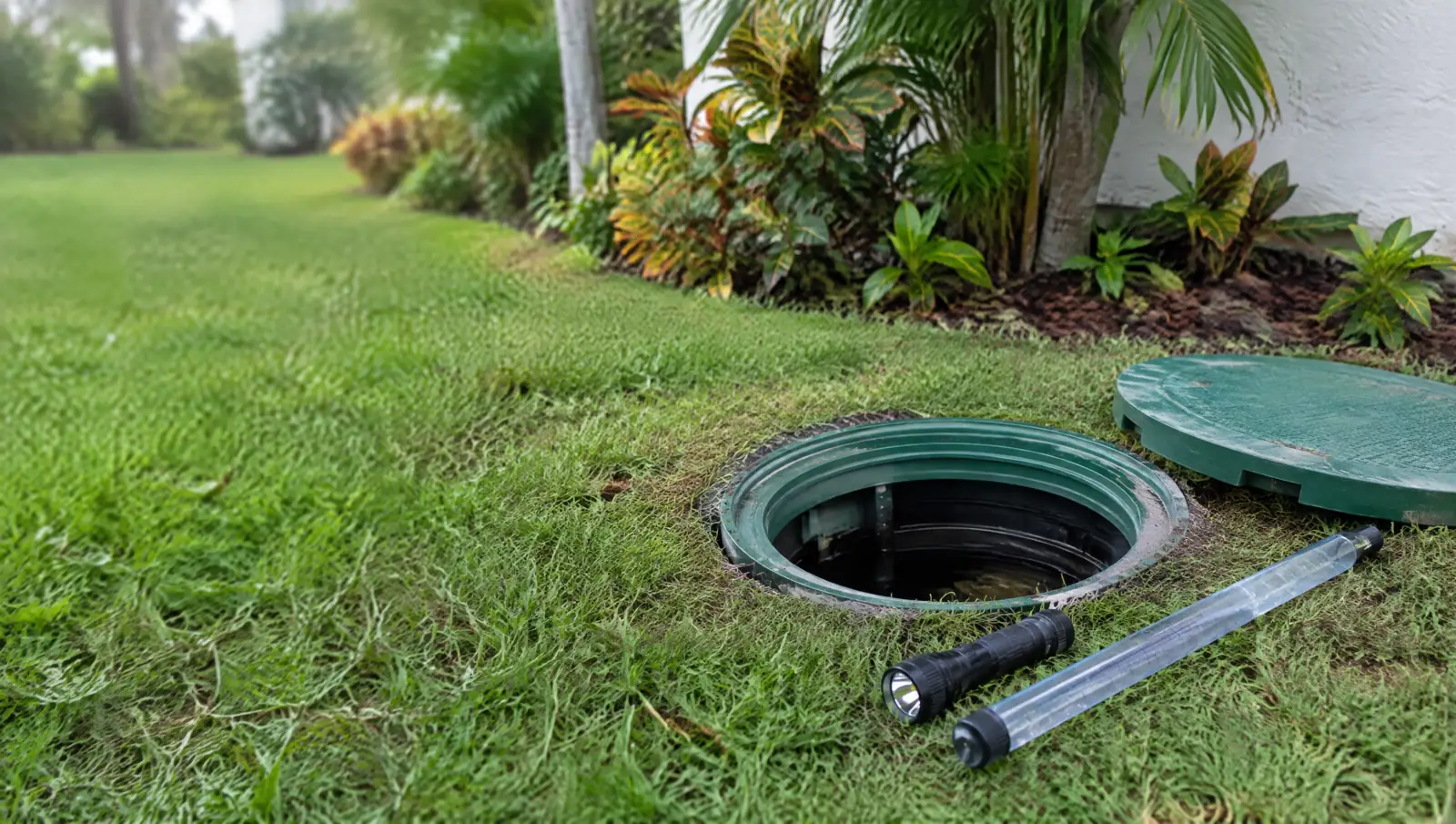
Septic Inspections in Homestead, FL
We identify issues before they become costly problems and ensure compliance with Miami-Dade County requirements.
Free Fast Quote
Please fill out this form to request a free quote on your septic project and our team will respond to you right away.
- Free, no-obligation quote
- We aim to respond quickly
- Serving all of Miami-Dade County
Pre-Purchase Inspections for Real Estate Transactions
Septic inspections are essential for real estate transactions in Homestead and surrounding South Miami-Dade County communities. Miami Septic Pros provides comprehensive pre-purchase septic inspections for buyers, sellers, and real estate professionals throughout Homestead, Florida City, Cutler Bay, and surrounding areas.
Miami-Dade County passed a septic disclosure ordinance on July 20, 2021, requiring all sellers of land in the county to prominently disclose to buyers that they have an onsite sewage treatment system. The ordinance explicitly requires that buyers recognize that improperly maintaining these systems may pose substantial human and environmental risks, and recommends that buyers obtain an inspection of the septic tank system.
Our pre-purchase inspections include:
- Complete visual inspection of tank condition, including walls, baffles, and inlet/outlet pipes
- Assessment of drainfield condition and functionality
- Evaluation of system compliance with current Miami-Dade County standards
- Identification of needed repairs or system upgrades
- Detailed written report with photos documenting system condition
- Verification of DERM registration (required as of January 1, 2024)
Having a recent inspection report ready can expedite real estate transactions and prevent last-minute delays.
What is different about inspections in Homestead
A septic inspection in Homestead has to answer one question above all: can the drain field cope with the groundwater? In the County's 2018 study, 1,528 of the city's 2,305 modelled residential septic parcels, about two in three, reached peak groundwater within 24 inches of the surface, and 163 had average groundwater within 42 inches.
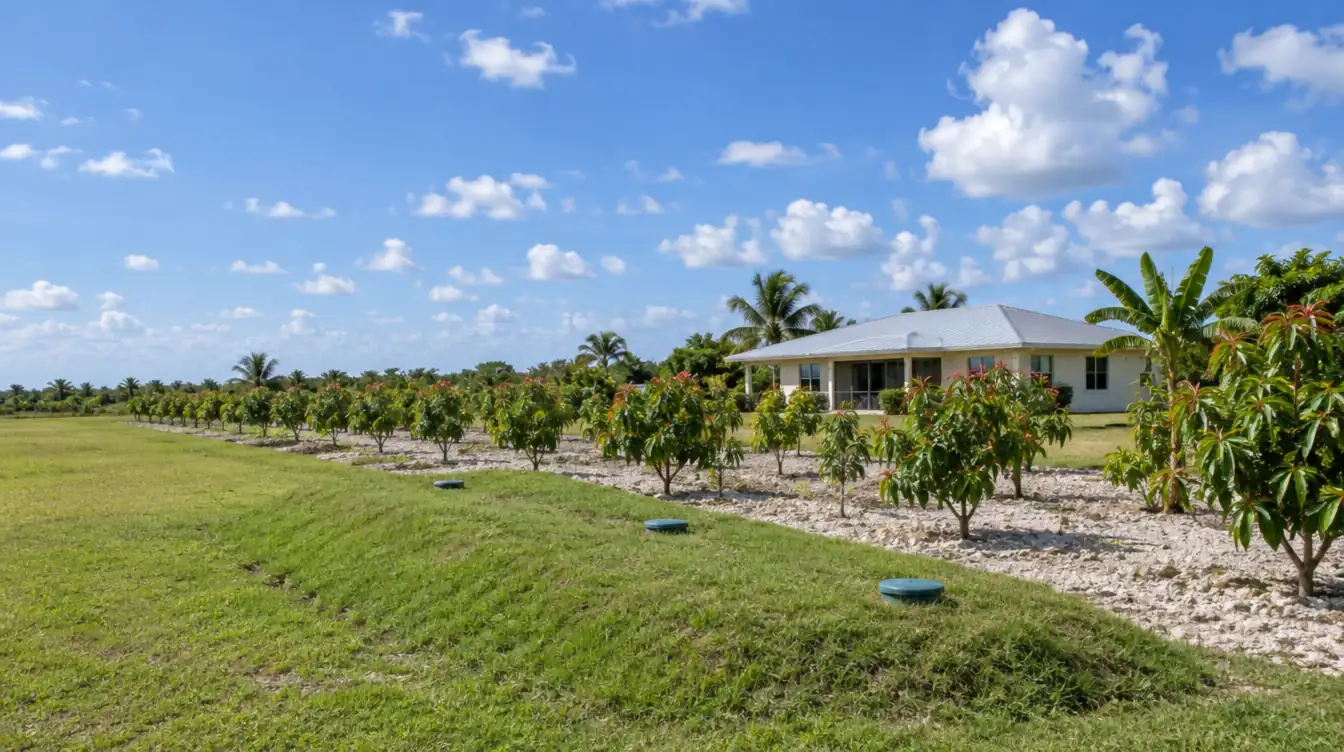
Homestead's housing is newer than most of the county, median build year 2001, but the septic homes are often the older ones. Older systems were designed to a 12-inch separation from the water table, against 36 inches for new and replacement systems today.
If you are buying, ask about the system's registration with DERM, required for all existing systems by 1 January 2024, and ask the city whether sewer is available, since Homestead runs its own utility.
What the numbers say about Homestead
- Homestead's median home was built in 2001, and 22% of homes were built before 1980. (U.S. Census ACS 2020-2024)
- The County's 2020 billing data counted 2,536 parcels with septic systems in Homestead, about 2% of the county total, against about 27,474 homes. (Miami-Dade WASD, 2020 data) (U.S. Census ACS 2020-2024)
- In the County's 2018 groundwater study, 2,275 of Homestead's 2,305 modelled residential septic parcels (99%) already reached peak groundwater within 42 inches of the surface; the projection for 2030 was 2,301. (Miami-Dade, 2018)
Sources for this section and the Homestead questions: Miami-Dade WASD, 2020 data; Miami-Dade, 2018; U.S. Census ACS 2020-2024; Ordinance 22-83; Miami-Dade RER; Florida Statutes. Opened October 28, 2026.
More about inspections
What does not change from city to city is on our Septic Tank Inspection in Miami: Costs, Requirements & Real Estate page.
Frequently Asked Questions
How much does a septic inspection cost in Homestead?
Inspection costs vary based on system type and complexity. Standard residential inspections typically range from $300-$600, while commercial or advanced system inspections may cost more. We provide transparent pricing upfront with no hidden fees.
How long does a septic inspection take in Homestead?
Most residential inspections take 1-2 hours on-site, depending on system size and complexity. We provide a detailed written report after the inspection; tell us if you need it quickly for a real estate deadline.
Do I need a septic inspection when buying a home in Homestead?
While not legally required, Miami-Dade County's septic disclosure ordinance recommends that buyers obtain an inspection. Inspections protect buyers from unexpected repair costs and help identify compliance issues before closing.
What happens if the inspection finds problems?
If problems are identified, we provide detailed recommendations and repair estimates. Buyers can negotiate repairs with sellers, request credits, or decide whether to proceed with the purchase. We can coordinate repairs if needed.
How often should I have my septic system inspected in Homestead?
Miami-Dade County recommends inspection and pumping every 3-5 years for average households. However, older systems, high-usage properties, or systems showing problems may need more frequent inspections.
What is DERM registration and why is it important?
As of January 1, 2024, all existing septic systems in Miami-Dade County must be registered with DERM. Our inspections verify registration status and help ensure compliance. Non-compliance can result in penalties or delays in property sales.
Homestead questions
Is a septic inspection more important in Homestead than elsewhere?
Arguably yes. The County found more of Homestead's septic systems under groundwater pressure than any other city's, so the drain field's condition can decide a purchase.
Should a Homestead buyer ask about sewer as well as septic?
Yes. The city runs its own utility, and where sewer abuts the lot, state law gives a working septic system 365 days to connect after written notice. That cost belongs in the purchase decision.