
Septic System Design & Permits in Miami-Dade
Professional septic system design, permit applications, and engineering services in Miami-Dade County. Serving Miami, Hialeah, Homestead, Kendall, Doral, and Coral Gables. We coordinate qualified engineers, handle DERM permit applications, and ensure your system meets all current Miami-Dade County standards.
Free Fast Quote
Please fill out this form to request a free quote on your septic project and our team will respond to you right away.
- Free, no-obligation quote
- We aim to respond quickly
- Serving all of Miami-Dade County
Professional Septic System Design Services
Septic system design requires careful engineering to meet Miami-Dade County's strict environmental standards. Miami Septic Pros provides comprehensive design services for new installations, replacements, and major modifications throughout Miami-Dade County, including Miami, Hialeah, Homestead, Kendall, Doral, and Coral Gables. We work with qualified engineers to create designs that comply with all current regulations and ensure long-term system performance.
Our design process includes:
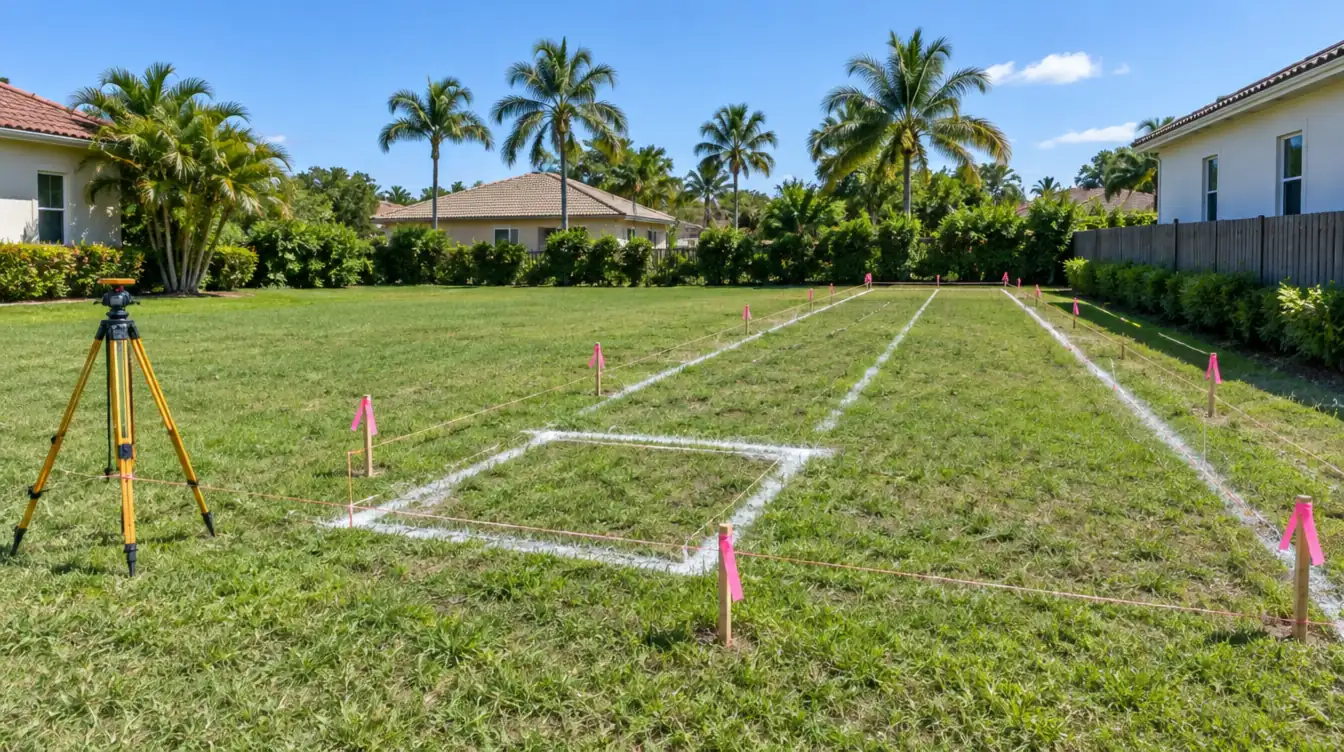
- Site evaluation including soil testing, percolation rates, and water table assessment
- System type determination based on property use, wastewater volume, and proximity to surface water
- Engineered designs conforming to Chapter 62-6, Florida Administrative Code
- Scaled site plans showing all features, setbacks, and system components
- Drainfield layout and sizing calculations
- Reserve drainfield area design (50% of initial drainfield size required)
Effective January 1, 2023, Miami-Dade County implemented stricter standards through Ordinance 22-83, prohibiting conventional (Type 1) systems for new installations or total replacements. All new systems must meet Type 2 (secondary treatment), Type 3 (advanced secondary treatment), or Type 4 (Florida Keys Nutrient Reduction) standards depending on your property type and location.
What is different about design and permits in Miami
Septic design and permitting in the City of Miami starts with sewer availability, because Ordinance 22-83 does not allow a new or replacement septic system where a public sewer abuts the property. Where septic is allowed, the Florida Department of Health in Miami-Dade issues the permit and DERM approves the engineered design.
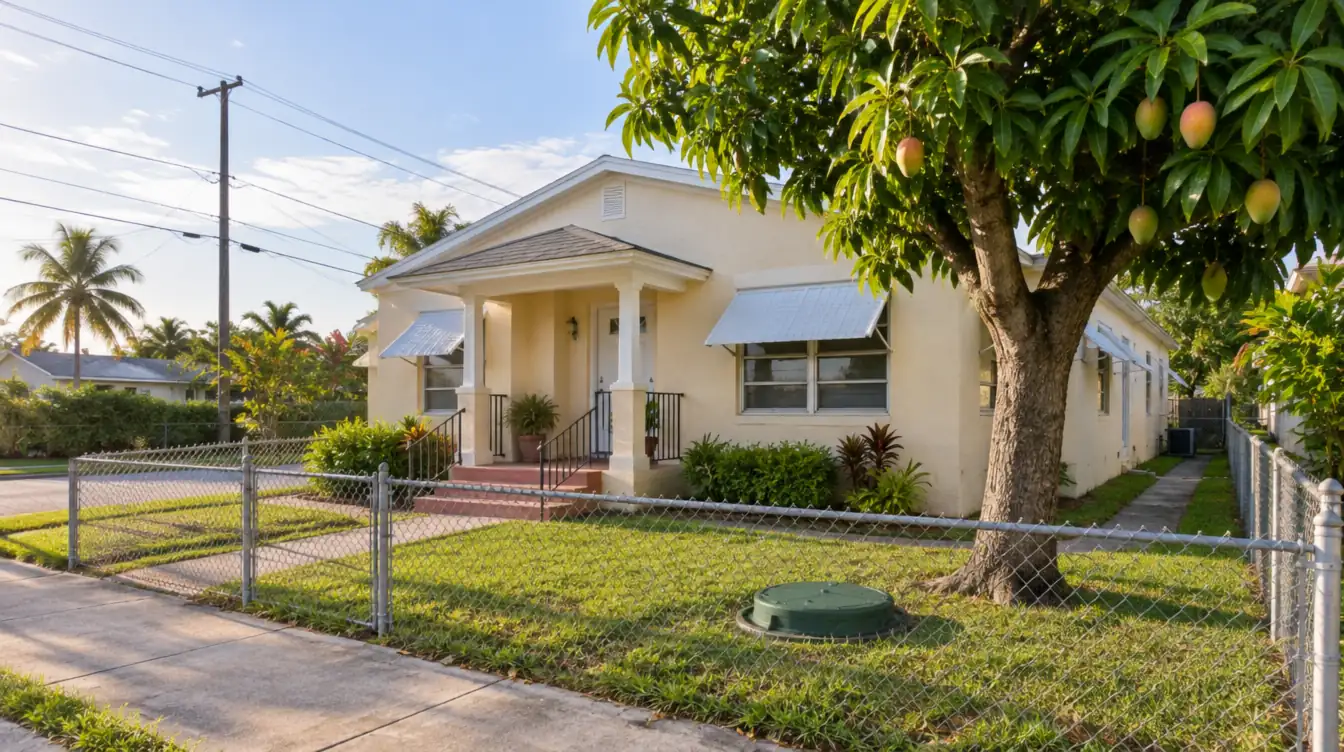
The city is old by Miami-Dade standards, median build year 1979, so designs here are mostly replacements on established lots. Small lots, the 100-foot setback from surface water and, without public water, a 50-foot setback from property lines are the usual constraints.
Groundwater varies across the city. In the County's 2018 study, about one in ten of the city's modelled residential septic parcels reached peak groundwater within 42 inches of the surface, which is where a raised drain field becomes likely under the 36-inch separation rule.
Most City of Miami septic homes are single-family houses in a city where only 31% of homes are single-family; many sit beside apartment buildings on sewer. That makes the sewer availability check, and the 50-foot property line setback where public water is not available, the first two things we look at on a city lot.
What the numbers say about Miami
- In the County's 2018 groundwater study, 156 of Miami's 1,603 modelled residential septic parcels (10%) already reached peak groundwater within 42 inches of the surface; the projection for 2030 was 177. (Miami-Dade, 2018)
- The 2018 study also counted 49 non-residential septic parcels in Miami, 22 of them at the 42-inch groundwater threshold. (Miami-Dade, 2018)
- The County asks residents of municipalities such as Miami to check sewer status with their local water and sewer department. (Miami-Dade WASD)
Sources for this section and the Miami questions: Miami-Dade WASD, 2020 data; Miami-Dade, 2018; U.S. Census ACS 2020-2024; Ordinance 22-83; Florida DEP; Rule 62-6.030. Opened October 28, 2026.
More about design and permits
What does not change from city to city is on our Septic System Design and Permitting in Miami: Professional Engineering & DERM Approval page.
Service Area
We provide septic system design and permitting services throughout Miami-Dade County, serving:
- Miami
- Hialeah
- Homestead
- Kendall
- Doral
- Coral Gables
- Miami Beach
- Aventura
- And all surrounding Miami-Dade communities
Frequently Asked Questions
How long does the design and permitting process take?
Total timeline from initial site evaluation to completed installation typically ranges from 6-10 weeks. This includes site evaluation and design (1-2 weeks), DERM approval (several weeks), installation (1-3 weeks), and post-installation inspection. Complex projects or permit delays can extend this timeframe.
What documents are required for DERM permit application?
Required documents include soil and site evaluation report, scaled site plan showing all features and setbacks, septic system design conforming to Chapter 62-6, F.A.C., engineering calculations and specifications, and property survey and legal description. We handle all document preparation and submission.
What type of system will I need for my property?
System type depends on property use, wastewater volume, and proximity to surface water. Type 2 systems serve single-family homes or duplexes < 500 gallons/day, 1,000 feet from surface water. Type 3 systems serve multifamily < 1,000 gallons/day, also requiring 1,000-foot distance. Type 4 systems meet Florida Keys Nutrient Reduction standards for uses not qualifying as Type 2 or 3.
What are the setback distance requirements?
Setback requirements include minimum 100 feet from any surface water body, 50 feet from all property lines where public water is unavailable, 75 feet from private potable wells, 100 feet from public potable wells (≤2,000 gpd), 200 feet from public potable wells (>2,000 gpd), and 50 feet from non-potable or agricultural wells.
What is the 50% reserve drainfield area requirement?
Miami-Dade County requires a reserve drainfield area equal to half the size of the initial drainfield. This reserve area is set aside for future system expansion or replacement, ensuring adequate space for system maintenance and upgrades.
Do I need an engineer for septic system design?
Yes, qualified engineers must design systems meeting Miami-Dade County standards. We work with qualified engineers to create designs that comply with all current regulations, including Chapter 62-6, Florida Administrative Code, and Miami-Dade County requirements.
Miami questions
Do I need DERM approval for a septic system in the City of Miami?
For a new or whole replacement system, yes, under Ordinance 22-83. The construction permit itself comes from the Florida Department of Health in Miami-Dade.
How long do septic approvals take in the City of Miami?
Plan for weeks rather than days: a site evaluation, an engineered design reviewed by DERM and a Department of Health permit. State fees are modest, $100 for a new system application and plan review and $115 for a site evaluation.